Seasonal Subscription Services
Proactive home maintenance plans designed for the Arizona climate.
Compare Services
| Feature | Intro | Winter | Spring | Summer | Fall |
|---|---|---|---|---|---|
| Safety & Security | |||||
| Smoke/CO Detector Test | ✓ | ✓ | — | ✓ | ✓ |
| Replace Detector Batteries | — | ✓ | — | — | — |
| Fire Extinguisher Check | — | ✓ | ✓ | ✓ | ✓ |
| GFCI Outlet Test | ✓ | ✓ | — | ✓ | — |
| HVAC & Efficiency | |||||
| Replace HVAC Filters | ✓ | ✓ | ✓ | ✓ | ✓ |
| Clean Return Vents | ✓ | ✓ | ✓ | ✓ | ✓ |
| Clean Supply Vents | — | ✓ | — | — | — |
| Rinse Condenser Coils | — | — | — | — | ✓ |
| Plumbing | |||||
| Sink Drain Snaking | ✓ | — | ✓ | ✓ | — |
| Water Heater Flush | — | — | ✓ | — | — |
| Washer Hoses/Filter | — | ✓ | — | ✓ | — |
| Toilet Inspection | — | — | — | ✓ | — |
| Appliances & Interior | |||||
| Dryer Vent Cleaning | — | ✓ | — | ✓ | — |
| Refrigerator Coils | — | — | ✓ | — | — |
| Door Adjustments | ✓ | ✓ | — | ✓ | ✓ |
| Cabinet Adjustments | ✓ | ✓ | — | ✓ | — |
| Exterior | |||||
| Roof & Gutter Clean | — | — | — | — | ✓ |
| Garage Door Tune-up | — | — | — | — | ✓ |
| Patio/Deck Prep | — | — | ✓ | — | ✓ |
| Ext. Bulb Replacement | — | ✓ | ✓ | ✓ | ✓ |
Ready to Get Started?
Don't wait for a breakdown. Contact us today to protect your home with professional maintenance.
Contact Us →Intro Service Home Maintenance
1. Interior Doors & Windows
Smooth Operation:
We inspect and adjust the moving parts of your home's interior to ensure everything latches and glides smoothly.
Benefits:
- Restored smooth operation
- Proper latching and privacy
- Eliminates squeaks
What We Do:
- Inspect, lubricate, and adjust interior doors
- Inspect and tighten interior door knobs
2. Safety Devices
Essential Protection:
We verify the functionality of your home's most critical safety warning systems.
Benefits:
- Verified fire detection
- Verified Carbon Monoxide detection
- Peace of mind
What We Do:
- Inspect, test, and clean smoke detectors
- Inspect, test, and clean Carbon Monoxide (CO) detectors
3. HVAC Maintenance
Airflow & Efficiency:
Basic maintenance to ensure your system isn't choked by dust and debris.
Benefits:
- Improved air quality
- Better system airflow
- Reduced strain on HVAC unit
What We Do:
- Replace HVAC filters
- Clean return vents
4. Electrical Safety
Shock Protection:
We test the safety mechanisms designed to protect you from electrical shock in wet areas.
Benefits:
- Verified shock protection
- Identification of faulty outlets
What We Do:
- Test GFCI outlets for proper operation
5. Bathroom Plumbing
Leak & Clog Prevention:
A proactive check of your bathroom sinks to ensure drains run fast and cabinets stay dry.
Benefits:
- Prevents slow drains
- Detects hidden leaks
- Prevents mold growth
What We Do:
- Snake bathroom sink drains
- Inspect for leaks, water damage, mold, and mildew
- Test and inspect all sink valves and water lines
6. Kitchen Plumbing
The Heart of the Home:
We ensure your kitchen sink drain is clear and the cabinet underneath is free from leaks.
Benefits:
- Free-flowing kitchen drain
- Protection for expensive cabinetry
- Early leak detection
What We Do:
- Snake kitchen sink drain for clogs
- Inspect for leaks, water damage, mold, and mildew
- Test and inspect valves and water lines for leaks
7. Kitchen Cabinets
Alignment & Function:
We adjust your kitchen cabinetry to ensure doors hang straight and drawers glide properly.
Benefits:
- Restored kitchen aesthetic
- Prevents door rubbing
- Smooth drawer operation
What We Do:
- Inspect and adjust all cabinet doors and hinges
- Inspect and adjust all drawers and pulls
8. Lighting & Laundry
Bright & Safe:
We restore visibility inside your home and perform a critical fire-safety check for your dryer.
Benefits:
- Well-lit interiors
- Reduced dryer fire risk
What We Do:
- Lighting (Interior ONLY): Replace non-working light bulbs in ceiling, fans, lamps, sconces, and fixtures
- Laundry: Vacuum dryer lint filter
Ready for Intro Service?
Don't wait for a breakdown. Schedule your professional intro service assessment today and ensure your home is protected.
Contact Us →DIY Guides
Ensure safety outlets in wet areas are actually protecting you.
Winter Home Maintenance
1. Interior Doors Maintenance
Preserve Function & Privacy:
Dry winter air in the West Valley causes wood to contract, leading to doors that stick, squeak, or won't latch properly. Regular adjustment prevents permanent warping and keeps your home functioning smoothly.
Benefits:
- Prevents permanent door warping
- Eliminates annoying squeaks and sticking
- Ensures proper privacy and latching
What We Do:
- Inspect all interior doors for alignment
- Lubricate hinges and knobs
- Adjust hinges and strike plates for smooth operation
2. Garage & Openers Lighting
Essential Safety & Visibility:
The garage is often the main entry point for Arizona homes. Ensuring proper lighting is critical for safety and security during shorter winter days.
Benefits:
- Improved safety when entering/exiting
- Better visibility for garage tasks
- Extended opener lifespan with vibration-resistant bulbs
What We Do:
- Replace non-working garage light bulbs
- Replace garage door opener light bulbs
3. Safety Device Inspection
Protect Your Family & Home:
Winter is the most critical time for fire and CO safety as heaters run and homes are sealed tight. Batteries degrade faster in desert temperature extremes.
Benefits:
- Critical protection against winter fire risks
- Peace of mind for gas heating safety
- Compliance with home insurance requirements
What We Do:
- Inspect, test, and clean smoke detectors
- Inspect, test, and clean carbon monoxide (CO) detectors
- Replace all batteries in safety devices
- Ensure fire extinguishers are charged
4. HVAC System Prep
Efficiency & Air Quality:
Your heating system needs unrestricted airflow to work efficiently. Clogged filters and vents force the system to work harder, increasing energy bills and wear.
Benefits:
- Lower winter heating bills
- Improved indoor air quality
- Extended HVAC system lifespan
What We Do:
- Replace HVAC filters
- Clean return vents
- Clean all supply vents throughout the home
- Replace thermostat batteries
5. Electrical Outlet Safety
Preventing Shocks & Hazards:
Damaged outlets and faulty GFCIs are silent hazards. We ensure your electrical touchpoints are safe, secure, and aesthetically pleasing.
Benefits:
- Protection against electrical shock
- Restored function to dead outlets
- Improved home aesthetics
What We Do:
- Test GFCI outlets for proper function
- Replace broken or missing outlet face plates (white only)
6. Cabinet Care & Adjustment
Keeping Your Home Functional:
Daily use loosens cabinet hardware over time. We restore the feel of your cabinetry, ensuring doors hang straight and drawers glide smoothly.
Benefits:
- Restored 'new kitchen' feel
- Prevents damage from misalignment
- Smoother drawer operation
What We Do:
- Inspect all cabinet doors and drawers
- Adjust hinges for proper alignment
- Adjust drawer glides and pulls
7. Laundry System Maintenance
Prevent Floods & Fires:
Washing machine hoses and dryer vents are top causes of home insurance claims. Our comprehensive service tackles both water damage and fire risks.
Benefits:
- Reduced risk of catastrophic flooding
- Fire prevention through dryer vent cleaning
- Better washing machine performance
What We Do:
- Inspect washing machine hoses and drains
- Test water valves
- Drain and clean washing machine filter
- Run cycle cleaner
- Replace water inlet screens
- Vacuum dryer vent and exhaust tube
8. Interior & Exterior Lighting
Brighten Your Home:
Dark spots in your home aren't just annoying; they can be unsafe. We restore full visibility to your living spaces and exterior.
Benefits:
- Improved home safety and security
- Better task lighting
- Consistent aesthetic
What We Do:
- Replace non-working light bulbs in ceiling fixtures
- Replace bulbs in fans, lamps, and wall sconces
- Replace non-working exterior fixture bulbs
Ready for Winter?
Don't wait for a breakdown. Schedule your professional winter assessment today and ensure your home is protected.
Contact Us →DIY Guides
Dry winter air in West Valley shrinks wood; doors stick, loosen, or squeak. Fixing now avoids warped doors and repeated adjustments later.
Monsoon moisture and seasonal plumbing work can stress outlets. Quarterly testing avoids electrocution risks and reveals failing units early.
Proper bulb selection and safe replacement prevent electrical issues and fires—especially important in homes with attic temps and enclosed fixtures.
Spring Home Maintenance
1. Outdoor Living Preparation
Ready for Patio Season:
Spring in the West Valley is prime outdoor living time. We prepare your patio oasis by cleaning and uncovering furniture, ensuring your outdoor gathering spaces are inviting and ready for guests.
Benefits:
- Protects expensive outdoor furniture investment
- Ensures BBQ and heaters are safe to use
- Creates an inviting outdoor living space instantly
What We Do:
- Cover/Uncover and clean outdoor furniture
- Clean and inspect patio heaters
- Clean and inspect BBQ grills
2. Kitchen Sink & Plumbing
Prevent Leaks & Clogs:
The kitchen sink sees the most activity in the house. We perform a comprehensive check-up to ensure drains flow freely and fixtures are leak-free, preventing hidden water damage.
Benefits:
- Prevents slow drains and backups
- Detects hidden leaks before mold grows
- Restores water flow pressure
What We Do:
- Inspect drains, traps, and valves for leaks
- Inspect under-sink area for water damage, mold, and mildew
- Snake drains to remove preventive buildup
- Replace the kitchen sink aerator
- Inspect and deodorize garbage disposal
3. Kitchen Appliance Maintenance
Deep Clean & Inspect:
Grease, food particles, and hard water scale compromise appliance efficiency. Our deep clean restores performance and hygiene to your most-used kitchen tools.
Benefits:
- Improves appliance efficiency and longevity
- Reduces fire risk (vent hood grease)
- Ensures sanitary washing conditions
What We Do:
- Range/Microwave Vent: Inspect and degrease filters
- Range/Microwave Vent: Inspect blower motor and drip pan
- Dishwasher: Clean seals and filter; run cleaning cycle
- Refrigerator: Inspect seals, clean drip pan, and vacuum coils
4. Water Heater Maintenance
Flush the Sediment:
Hard water sediment builds up rapidly in Arizona water heaters, acting as insulation that wastes energy and causes overheating. Flushing is essential for longevity.
Benefits:
- Maintains energy efficiency
- Prevents premature tank failure
- Ensures reliable hot water supply
What We Do:
- Inspect pressure relief valve
- Check for leaks and corrosion
- Drain and flush tank to remove sediment
5. Fixtures, Hardware & Caulk
Seal & Secure:
Loose handles and cracked caulk aren't just cosmetic; they allow water intrusion and wear. We tighten and seal key areas to keep your kitchen and bath watertight and solid.
Benefits:
- Prevents water damage behind sinks/counters
- Restores solid feel to fixtures
- Improves overall home aesthetic
What We Do:
- Tighten loose fixtures and handles
- Inspect and recaulk wet areas as necessary
6. Gas Lines & Safety
Leak Prevention & Safety:
Gas leaks are a serious hazard. We perform visual inspections of accessible gas lines and ensure your primary fire safety equipment is ready.
Benefits:
- Early detection of gas line issues
- Ensures fire safety readiness
- Peace of mind
What We Do:
- Inspect gas valves and lines for wear/corrosion
- Ensure fire extinguishers are charged and accessible
7. HVAC & Air Quality
Spring Refresh:
Prepare your AC for the incoming heat. Clean filters and vents ensure your system isn't choked by dust, improving efficiency and air quality.
Benefits:
- Lower cooling costs
- Reduced dust in the home
- Better system airflow
What We Do:
- Replace HVAC filters
- Clean return vents
8. Lighting & Garage
Visibility & Access:
We check every bulb and opener to ensure your home is bright and your garage access is reliable, replacing burned-out bulbs inside and out.
Benefits:
- Consistent home lighting
- Reliable garage entry
- Safety in dark areas
What We Do:
- Replace non-working garage and opener light bulbs
- Replace non-working interior/exterior light bulbs (ceiling, fans, lamps, sconces)
Ready for Spring?
Don't wait for a breakdown. Schedule your professional spring assessment today and ensure your home is protected.
Contact Us →DIY Guides
Hard water and winter debris reduce dishwasher and fridge efficiency. A quick deep clean prevents failures during summer entertaining.
Sediment from hard West Valley water accumulates over winter; flushing improves efficiency and reduces noise.
Clear gutters and patio drains before monsoon season and summer heat to avoid water intrusion and pest nesting.
Summer Home Maintenance
1. Bathroom Plumbing & Drains
Free-Flowing & Leak-Free:
Summer usage peaks with kids home and guests visiting. We ensure your bathroom drains can handle the load and that no hidden leaks are causing mold growth.
Benefits:
- Prevents slow drains and backups
- Stops mold from hidden leaks
- Restores water flow pressure
What We Do:
- Inspect drains, traps, and valves for leaks
- Inspect for water damage, mold, and mildew
- Snake sinks, tubs, and shower drains (up to 18”)
- Replace bathroom sink aerators
2. Bathroom Fixtures & Toilets
Hygiene, Comfort & Seals:
Hard water destroys toilet internals and clogs shower heads. We restore function and ensure watertight seals to prevent damage.
Benefits:
- Stops running toilets (water waste)
- Prevents water damage from bad caulk
- Improves shower pressure and hygiene
What We Do:
- Inspect and recaulk shower/bath as necessary
- Inspect and test toilet valves; tighten bolts
- Fix toilet tank valve and flapper
- Clean shower head mineral deposits and replace screens
- Inspect and clean exhaust vent
3. Laundry System Maintenance
Efficiency & Safety:
Heavy summer laundry loads stress your machines. We maintain the hoses to prevent flooding and clean the vents to prevent fires.
Benefits:
- Prevents catastrophic hose floods
- Reduces dryer fire risk
- Improves washing efficiency
What We Do:
- Inspect washing machine hoses and drains
- Test water valves
- Drain and clean washing machine filter
- Run cycle cleaner
- Vacuum dryer vent
4. Safety Devices & Electrical
Critical Home Protection:
Summer storms and high electrical loads make safety devices essential. We ensure your detectors, extinguishers, and outlets are ready.
Benefits:
- Verified fire and CO protection
- Shock protection (GFCI)
- Clean, safe electrical finish
What We Do:
- Inspect, test, and clean smoke and CO detectors
- Ensure fire extinguishers are working
- Test GFCI outlets
- Replace broken/missing outlet face plates (white only)
5. HVAC System Prep
Peak Summer Performance:
Your AC works hardest now. Clean filters and vents are the minimum requirement for it to survive the summer heat without freezing up.
Benefits:
- Maximizes cooling efficiency
- Reduces strain on the AC unit
- Improves indoor air quality
What We Do:
- Replace HVAC filters
- Clean return vents
6. Interior Doors & Cabinetry
Adjustment & Alignment:
Wood swells and shrinks with temperature changes. We adjust everything to ensure doors latch, drawers glide, and nothing rubs.
Benefits:
- Smooth door operation
- Properly aligned cabinets
- Restored home feel
What We Do:
- Inspect, lubricate, adjust interior doors
- Tighten door knobs
- Inspect and adjust cabinet doors, hinges, drawers, pulls
7. Lighting & Garage
Bright & Accessible:
We ensure you never come home to a dark garage or house. Replacing bulbs is a simple task that makes a huge difference in safety and comfort.
Benefits:
- Safety in garage and walkways
- Convenient access
- Well-lit living spaces
What We Do:
- Replace non-working garage and opener light bulbs
- Replace non-working interior and exterior light bulbs
Ready for Summer?
Don't wait for a breakdown. Schedule your professional summer assessment today and ensure your home is protected.
Contact Us →DIY Guides
Hard water and heavy summer use reduce spray performance and comfort; cleaning restores pressure and extends fixture life.
Summer laundry loads increase fire risk; basic vent cleaning and visual checks greatly reduce hazards and improve drying times.
Monsoon humidity and pool/patio use increase electrical risk. Quarterly GFCI checks improve safety.
Fall Home Maintenance
1. Roof & Gutter Protection
Preventing Leaks & Water Damage:
Arizona's intense summer sun and monsoon storms wreak havoc on roofs and gutters. Clearing debris and checking tiles before winter rains is your first line of defense against leaks.
Benefits:
- Prevents water backing up under tiles
- Protects foundation from water damage
- Extends roof lifespan
What We Do:
- Remove bird nests, debris, and foreign items from tile openings
- Clean debris from rain gutters and downspouts
- Perform minor gutter repairs
2. Exterior Living & Structures
Preserving Your Outdoor Oasis:
We prepare your yard and gates for cooler weather, ensuring wood and metal surfaces are protected from further deterioration and your gates operate smoothly.
Benefits:
- Protects expensive outdoor furniture
- Ensures gates latch securely (pool safety)
- Identifies rot or rust early
What We Do:
- Cover/Uncover and clean outdoor furniture, heaters, BBQ
- Inspect and lubricate gate hinges, latches, and rollers; tighten hardware
- Inspect exterior wood for rot/damage (replacement incurs additional cost)
- Inspect exterior metal for rust/breakage (replacement incurs additional cost)
3. Doors, Windows & Seals
Sealing Up for Winter:
Proper sealing is crucial for energy efficiency. We inspect and maintain all exterior openings to keep dust out and expensive heat in during the cooler months.
Benefits:
- Reduces drafts and heating costs
- Keeps dust and pests outside
- Restores smooth operation to sliding doors
What We Do:
- Inspect exterior doors and security screens; lubricate/adjust hardware
- Replace torn or missing weather stripping on exterior doors
- Inspect windows, clean weep holes, lubricate tracks/seals, recaulk as needed
- Inspect sliding glass doors, clean track, lubricate, adjust, and recaulk as needed
4. Garage System Maintenance
Reliable Entry & Security:
A failing garage door is a major inconvenience. We check the entire system from the springs to the remotes to ensure reliable operation.
Benefits:
- Quieter door operation
- Prevents getting stuck outside (remote batteries)
- Ensures safe lighting in the garage
What We Do:
- Inspect garage door springs and test operation
- Lubricate garage door track and chain
- Replace batteries in remotes and keypads
- Replace non-working garage and opener light bulbs
5. HVAC & Condenser Care
Efficiency After the Heat:
After a long, hot summer, your AC needs attention. We clean the filters and rinse ground-mounted coils to remove the layer of summer dust that kills efficiency.
Benefits:
- Restores system airflow
- Improves heat exchange efficiency
- Lowers winter heating bills
What We Do:
- Replace HVAC filters and clean return vents
- Rinse condenser coils (ground-mounted units only)
6. Exterior Plumbing & Electrical
Safety Outside the Home:
We check the often-overlooked exterior utility points. Leaky hoses and faulty outdoor outlets are simple fixes that prevent big headaches.
Benefits:
- Prevents water waste from leaks
- Ensures safe outdoor power
- Restores hose function
What We Do:
- Test exterior outlets for proper working condition
- Inspect hose bibs and hoses for proper condition
- Replace rubber washers in hoses
- Replace broken/missing interior outlet face plates (white only)
7. Safety & Lighting
Bright & Secure:
As days get shorter, lighting becomes critical. We also verify your fire safety equipment is ready for the winter heating season.
Benefits:
- Improved home security and visibility
- Verified fire safety readiness
- Consistent aesthetic
What We Do:
- Inspect and ensure fire extinguishers are in proper working condition
- Replace non-working interior and exterior light bulbs (ceiling, fans, lamps, sconces)
Ready for Fall?
Don't wait for a breakdown. Schedule your professional fall assessment today and ensure your home is protected.
Contact Us →DIY Guides
Clear gutters after monsoon debris to protect foundation and landscaping when winter rains arrive.
Replace failing weather stripping before winter to prevent dust, pests, and energy loss.
A brief ground-level roof inspection after summer damage spots obvious issues before winter rains.
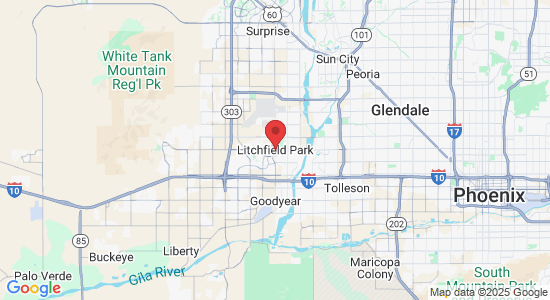
Home Maintenance & Handyman Services in Litchfield Park & the West Valley, AZ
We proudly serve the West Valley region with reliable home maintenance support across the following cities, towns, and communities:
Elevate Home Maintenance is a locally owned business serving the West and Northwest regions of Maricopa County, including Litchfield Park, Buckeye, Goodyear, and the Sun Cities.
Explore Our Brands


“We take care of your home, so you can take care of what matters most.”

Licensed
Licensed, Insured, & Bonded.

Integrity
Honesty & Transparency.

Excellence
Top-Notch Services.
LICENSE NUMBER ROC 361985


Cancellation & Rescheduling Notice: Please give us notice. Appointments cancelled or rescheduled with less than 24 hours notice are subject to a fee of 10% of the quoted service amount. To avoid fees, please contact us at least 24 hours in advance . Text or Call 623-304-8665. View full policy: https://elevatehomemaintenanceaz.com/terms_conditions
Copyright 2026. ElevateHomeMaintenanceAZ.com. All Rights Reserved.